

“Trying to sell to everyone is the fastest way to sell to no one. The most successful small businesses don’t cast a wide net — they cast a precise one.”
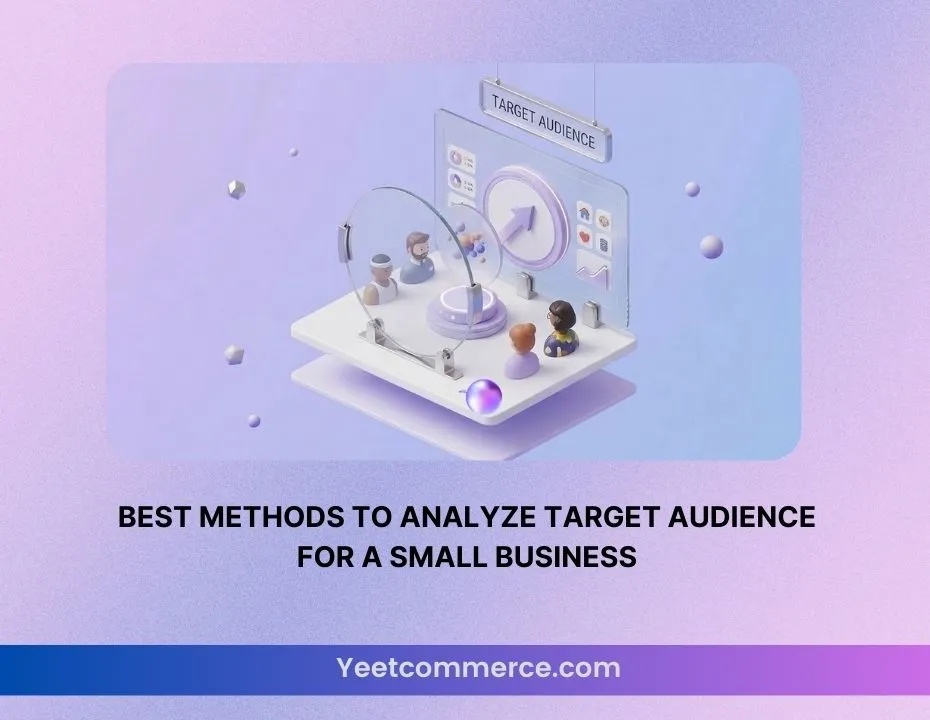
For small business owners, understanding your target audience isn’t a luxury — it’s survival. With limited budgets, lean teams, and fierce competition, every marketing dollar must work harder. The businesses that thrive are those that know exactly who they’re speaking to, what keeps those people up at night, and how their product or service solves that problem.
The good news? You don’t need a dedicated research department or a six-figure budget. The seven methods below are practical, affordable, and designed for businesses like yours.
Customer Surveys & Interviews
The most direct path to understanding your audience is simply asking them. Surveys and one-on-one interviews reveal motivations, pain points, and buying behaviours that no algorithm can infer on its own.
Surveys work best at scale — use free tools like Google Forms, Typeform, or SurveyMonkey to send 10–15 focused questions to your existing customers. Ask about demographics, where they discovered you, what nearly stopped them from buying, and what they wish you offered.
Interviews go deeper. Schedule 20-minute calls with your best customers. Ask open-ended questions: “Walk me through the last time you had this problem.” The language people use to describe their own problems is gold for your messaging.
- Keep surveys under 10 minutes to boost completion rates
- Offer a small incentive (discount code, freebie) for participation
- Ask “why” follow-ups in interviews — never settle for surface answers
- Record interviews (with consent) and review for recurring phrases
Pro Tip: Aim for at least 5–8 customer interviews before drawing conclusions. Patterns emerge quickly once you start listening.
Leverage Google Analytics & Website Data
Your website is a goldmine of audience intelligence — if you know where to look. Google Analytics (and the free GA4 tier) shows you who is visiting, how they found you, what they read, and where they drop off.
Key metrics to study: age and gender demographics, geographic location, device usage (mobile vs. desktop), traffic sources (search, social, direct), and top-performing content. Together, these paint a vivid picture of your real audience — which may differ meaningfully from who you assumed you were targeting.
- Install GA4 on your site today if you haven’t already — free and essential
- Review the “Audience” and “Acquisition” reports weekly
- Note which blog posts or pages drive the most time-on-site
- Set up conversion goals to see which traffic segments actually buy
Pro Tip: Cross-reference your top-performing pages with the demographic reports. You’ll often discover unexpected audience segments worth targeting deliberately.
Study Your Competitors’ Audiences
Your competitors have already done some of your research for you. Their customer reviews, social media followers, and marketing copy all reveal who they’re targeting — and how that audience is responding.
Scan reviews on Google, Yelp, or industry-specific platforms. Read the 3-star reviews especially — they’re candid, balanced, and full of specific desires and frustrations. Look at who’s engaging with their social media content: the profiles that leave comments often include bios and interests.
Tools like SEMrush (paid) or Ubersuggest (freemium) let you see what keywords your competitors rank for, giving you insight into the search intent — and by extension, the intent — of their audience.
- Read 50+ competitor reviews and note recurring themes
- Look for gaps: what do customers wish competitors offered?
- Study competitor ad copy — it’s optimized for their best customers
- Check who comments on competitors’ Instagram and LinkedIn posts
“The best marketing doesn’t feel like marketing — because it speaks so directly to someone’s reality that it feels personal.”
Use Social Media Insights & Listening Tools
Every major social platform — Instagram, Facebook, LinkedIn, TikTok — provides free built-in analytics for business accounts. These dashboards show follower demographics, peak engagement times, and which content types resonate most. This is real-time audience data at your fingertips.
Beyond your own pages, social listening means monitoring conversations happening in your industry. Tools like Mention, Brand24, or even manual hashtag searches on Instagram and X (Twitter) reveal what your potential customers are talking about, complaining about, and dreaming about — before they ever find you.
- Switch all social accounts to “Business” or “Creator” profiles to unlock analytics
- Check Instagram/Facebook Insights every two weeks
- Search relevant hashtags and read the comments — not just the posts
- Join Facebook Groups or Reddit communities in your niche and observe
Pro Tip: Reddit is an underrated research treasure. Subreddits in your niche contain brutally honest discussions — search for “[your industry] + problems” and prepare to take notes.
Analyse Existing Customer Data (Your CRM)
If you’ve been in business for any length of time, you’re sitting on a dataset: your past customers. Even a basic spreadsheet of purchases tells a story. Who buys most frequently? What’s the average order value? What products or services cluster together in the same carts?
If you use a CRM (like HubSpot Free, Zoho, or even Mailchimp), segment your list by purchase history, location, or engagement level. Your “best customers” — those who buy repeatedly and refer others — are the prototype for your ideal audience. Build your targeting strategy around them.
- Identify your top 20% of customers by revenue — study what they share in common
- Look for demographic and behavioural patterns in repeat purchasers
- Segment email lists and A/B test messaging to different groups
- Ask your best customers directly: “Why do you keep coming back?”
Monitor Reviews, Testimonials & Complaints
Every review your business receives — positive or negative — is a window into how your audience thinks. Positive reviews tell you which benefits your customers value most. Negative reviews reveal unmet expectations, which are often the most powerful insights of all.
Make it a habit to read every review on Google Business, Yelp, Trustpilot, or wherever your customers leave feedback. Pay attention to the specific words people use. If five different customers describe your bakery as “cosy,” that’s not coincidence — that’s a positioning signal.
- Set up Google Alerts for your business name to catch reviews across the web
- Categorize reviews by theme: price, quality, service, atmosphere, etc.
- Respond to every review — it signals you’re listening, which encourages more
- Use positive review language directly in your marketing copy
Pro Tip: The words customers use to describe you are more powerful in ads than any copy you write yourself — because they’re speaking the natural language of your audience.
Build Detailed Customer Personas
All of the research above culminates in one practical deliverable: the customer persona (sometimes called a buyer persona or avatar). A persona is a semi-fictional profile of your ideal customer, built from real data and research — not assumptions.
A strong persona includes demographics (age, location, income, occupation), psychographics (values, interests, lifestyle), goals and aspirations, pain points and frustrations, preferred communication channels, and typical buying triggers. Give your persona a name and a face — it makes it dramatically easier to write targeted copy and make product decisions.
Most small businesses need 1–3 personas. If you find yourself creating seven, you’re likely either being too granular or trying to serve too broad an audience.
- Use research from all previous methods to populate each persona
- Include a real quote from a customer interview in each persona
- Create a one-page persona document and share it with your whole team
- Revisit and update personas every 6–12 months as your business evolves
Pro Tip: Before publishing any piece of content or launching any campaign, ask: “Would [Persona Name] stop scrolling for this?” If the answer is no, revise.
Putting It All Together
Audience analysis isn’t a one-time project — it’s an ongoing practice. Markets shift, customer needs evolve, and your business grows. The small businesses that consistently outperform their competitors aren’t necessarily the ones with the best product. They’re the ones who understand their customers most deeply.
Start small: pick one method from this list and commit one hour to it this week. Send three customer surveys. Spend an hour reading competitor reviews. Open your Google Analytics and just look. The insights will come, and they will compound.
When you know your audience deeply, everything gets easier — your copy writes itself, your ad spend works harder, and your customers feel seen. That’s the real competitive advantage for any small business.
Ready to reach the right customers? Now that you know your target audience, it’s time to build a store that speaks directly to them. Yeetcommerce gives small businesses the tools to launch, manage, and grow their online store — without the tech headache.
👉 Start Your Free Store on Yeetcommerce — No credit card required.